Auditions
Ready to audition?
Auditions help us understand you as a musician and find the AYO ensemble where you will be challenged, supported, and set up for success.
The 2026–27 season is underway.
Audition materials for the 2027–28 season will be released in early 2027. Sign up for updates and we’ll send you audition requirements, registration information, and important dates as soon as they’re available.
Questions about joining AYO? Email education@austinyouthorchestra.org.
Who Should Audition?
Musicians at many stages of development belong at AYO. Our five orchestras serve young musicians across a broad range of ages and experience levels, from students preparing for their first ensemble experience to advanced players ready for challenging symphonic repertoire.
- Strings: Violin, viola, cello, and bass players at a wide range of experience levels are encouraged to audition. String audition materials are designed to help students demonstrate both their current skills and their readiness for greater musical challenges.
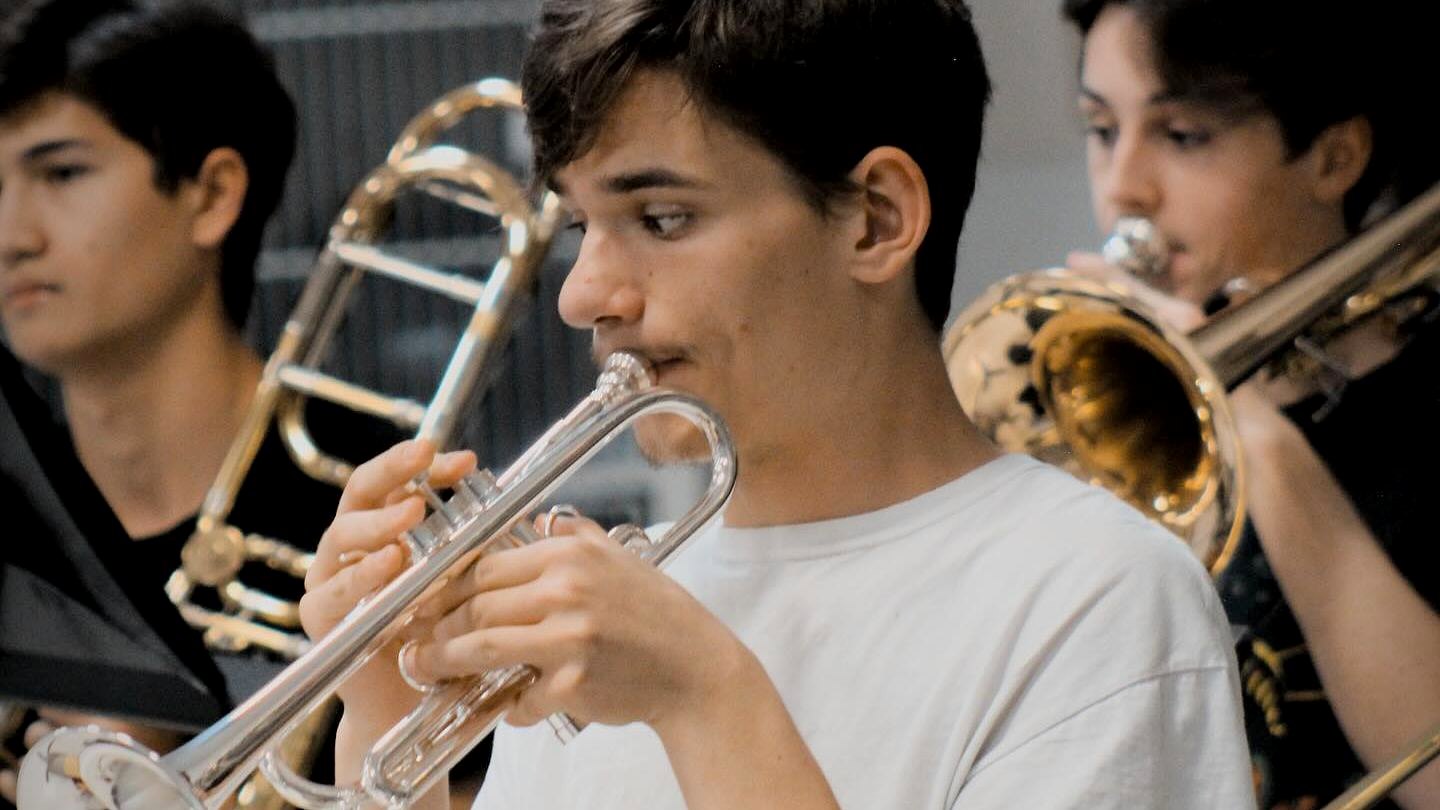
- Woodwinds, brass, percussion & harp: These instruments perform primarily in AYO’s full orchestras. Students should be prepared to demonstrate the technical and musical skills required by the published audition materials.
- Piano: Piano positions are offered when required by the season’s repertoire. Audition opportunities and requirements may vary from year to year.
- All school communities welcome: AYO welcomes students from public, private, charter, and homeschool communities throughout Central Texas.
- School music participation: Students whose schools offer an orchestra or band program for their instrument are expected to remain active members of that program while participating in AYO.
How Auditions Work
- 01
Choose the right level
Review the current audition requirements with your private teacher or school music director. For instruments with multiple excerpt levels, choose the material that best reflects your current playing and allows you to demonstrate your strongest musicianship.
- 02
Prepare thoughtfully
Prepare the required scales, solo repertoire, and orchestral excerpts with care. Learn more than the notes: listen to the complete works, understand their style and character, and use your preparation to show us how you play at your best.
- 03
Audition for placement
Submit your audition according to the current season’s instructions. AYO evaluates the audition as a whole to determine the ensemble in which each student is most likely to grow and succeed.
Your audition level does not automatically determine your orchestra placement. Placement is based on the complete audition and considers musical readiness, technical development, ensemble needs, age, and the social and pedagogical environment in which each student will be most successful.
String Audition Levels
Choose music that shows us where you are.
String audition materials may be organized into multiple levels so students can prepare excerpts appropriate to their current stage of development. In recent audition cycles, AYO has used three levels ranging from developing and intermediate through advanced repertoire.
The purpose is not to see who can attempt the most difficult music. The goal is to hear each student play securely and musically while also giving us a sense of their readiness for the next level of challenge.
Students should work with a private teacher or school orchestra director when selecting audition material.
More difficult is not always better.
Choose repertoire you can prepare with confidence, accuracy, musicality, and appropriate style. A thoughtful, well-prepared audition gives our adjudicators a much clearer picture of your musicianship than repertoire that is not yet secure.
What Makes a Complete Audition
AYO auditions typically include three kinds of material, each designed to show us something different about your playing.
Scales & arpeggios
Technical foundation
Tone, intonation, facility, range, setup, and fundamental technique.
Solo repertoire
Individual musicianship
Your sound, technique, musical expression, phrasing, and ability to communicate the character of a piece.
Orchestral excerpts
Orchestral readiness
Rhythm, articulation, style, technical control, and the skills required to prepare real orchestral repertoire.
Exact requirements vary by instrument and audition cycle. Always use the current year’s official audition guide when preparing your submission.
What We Listen For
We’re listening for more than correct notes. AYO adjudicators consider the complete musical picture presented in each audition.
Rhythm
Accuracy, pulse, and rhythmic control
Intonation
Pitch accuracy and careful listening
Tone
A characteristic, supported, and developing sound
Technique
Facility and technical command appropriate to the repertoire
Setup & physical technique
Healthy, effective posture and instrumental setup
Articulation & range
The ability to use varied articulations and appropriate technical range
Musicality & style
Phrasing, dynamics, character, expression, and stylistic awareness
Level of difficulty
The technical and musical demands of the repertoire presented
Preparing Your Excerpts
Learn the music, not just the notes.
Orchestral excerpts come from larger works. Before preparing an excerpt, listen to a high-quality recording of the complete piece and learn where your passage fits within it. As you listen, pay attention to:
- Tempo and rhythmic character
- Articulation
- Phrasing and dynamics
- Orchestral texture
- Musical style and character
Follow along with your part whenever possible, and work with your teacher to understand how your line functions within the orchestra. Taking time to understand the music, not just the notes, will make your preparation more effective and your audition more musical.
Preparing Your Audition
Give yourself time to do your best work.
Start early
Read the complete audition guide before you begin and make a preparation plan that leaves time for both learning and polishing.
Work with a teacher
Your private teacher or school director can help you select appropriate repertoire, decide on bowings, fingerings, and other technical choices, and identify what needs the most attention.
Record yourself
Make practice recordings well before the final submission. Listen back for rhythm, pitch, sound, articulation, and musical character.
Practice the whole audition
Run your audition materials in sequence without stopping. This develops concentration and helps you identify anything that isn’t yet secure.
Leave time to record
Don’t make your final recording at the last minute. Review the current submission requirements, test your equipment, and make sure your recording represents your playing accurately.
Placement
Finding the orchestra where you can grow.
Audition results reflect more than the difficulty of the music a student performs. AYO considers the audition as a whole, including musicality, rhythm, intonation, tone, technique, repertoire difficulty, ensemble readiness, age, and developmental needs.
Our goal is to place each musician in an orchestra where they can contribute successfully and continue developing new skills throughout the season.
Placement is not a ranking.
Each AYO orchestra is a learning ensemble with its own musical and developmental goals. Students progress at different rates and bring different strengths to their auditions. Placement reflects where we believe a musician will have the most successful and appropriately challenging experience this season.
All students, including returning AYO musicians, audition each year. Annual auditions allow us to recognize each student’s growth and build balanced ensembles for the season ahead.
Still have questions?
Read the Audition FAQ, or email education@austinyouthorchestra.org.